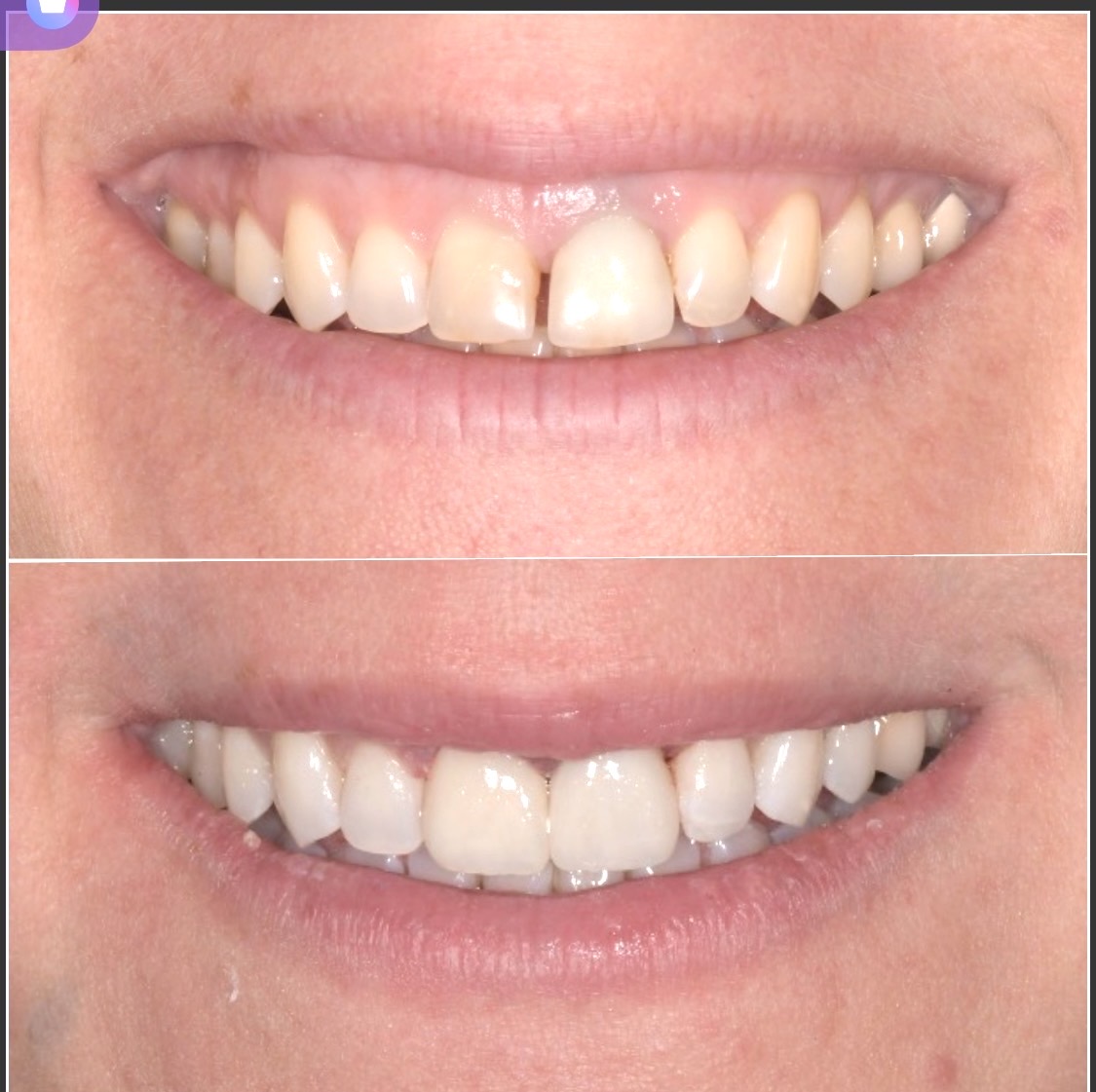
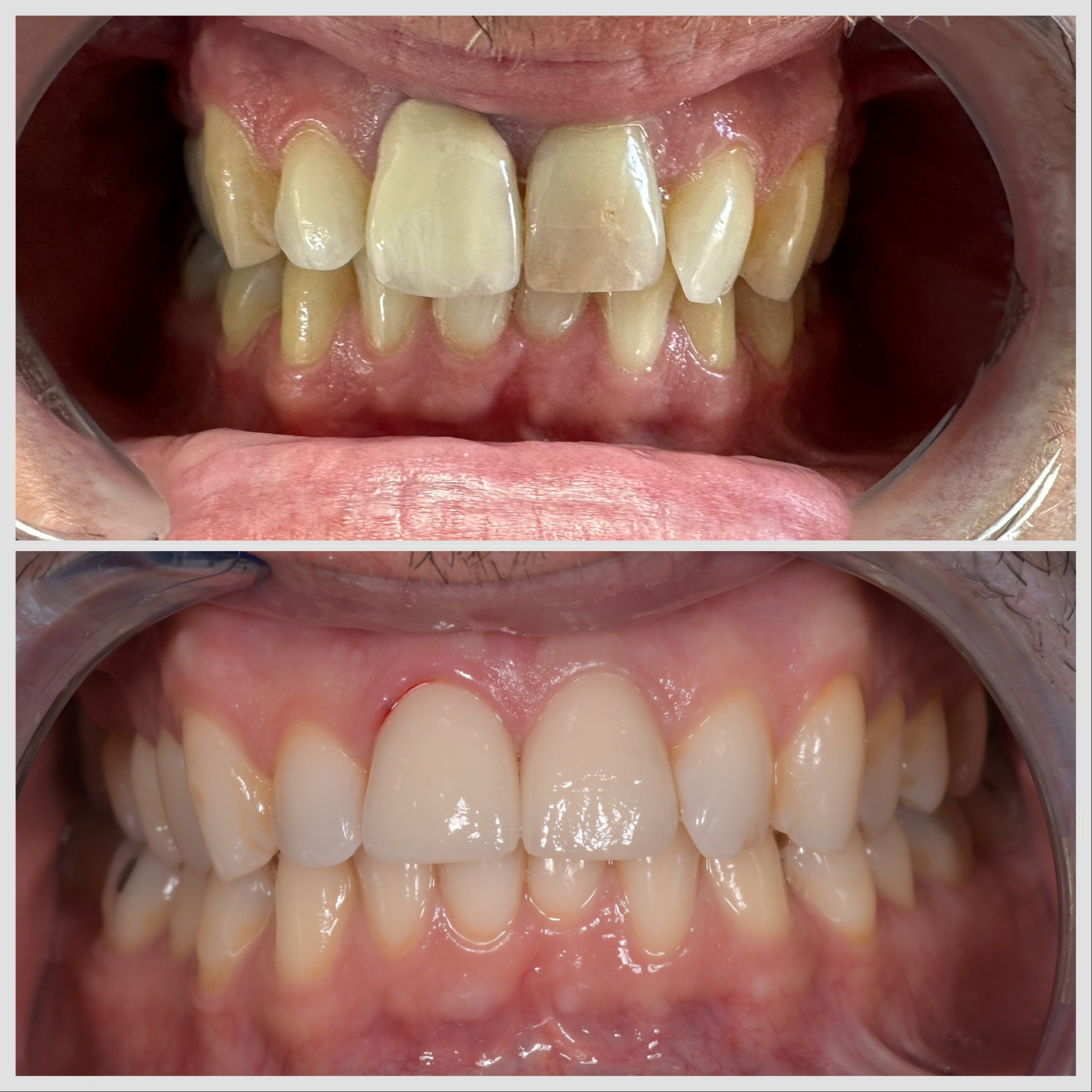
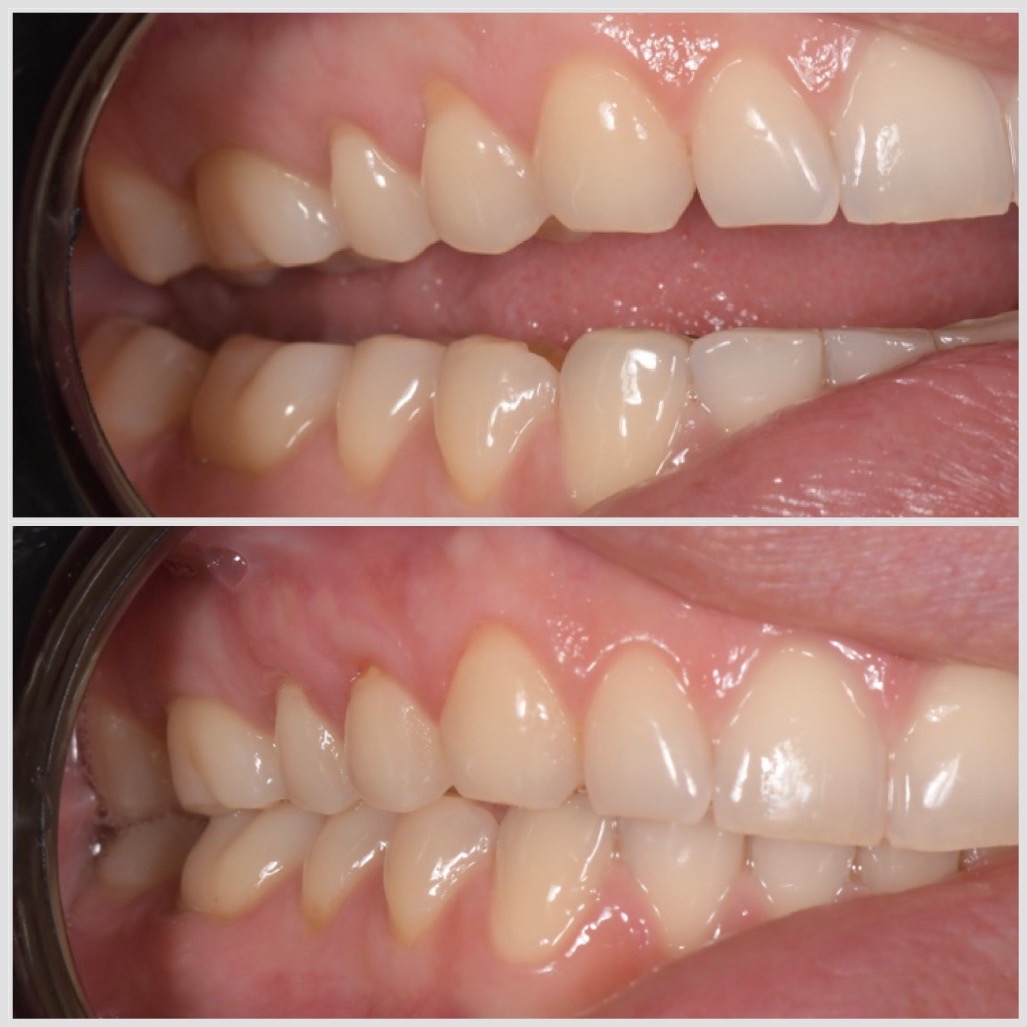
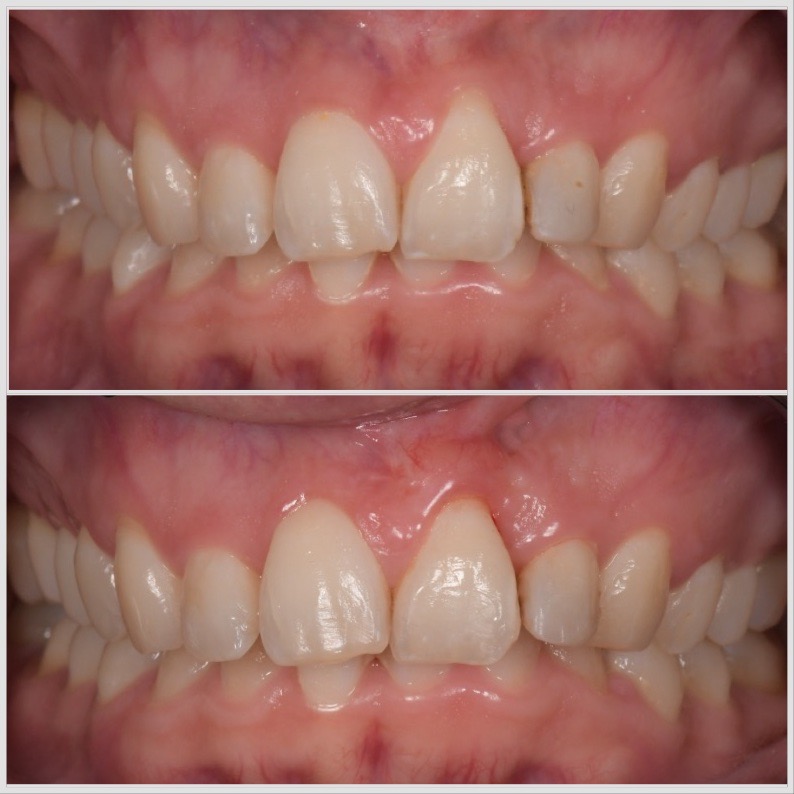
A toothache is one of the most intense dental pains one can experience. It often strikes suddenly and can become particularly bothersome at night, sometimes preventing sleep or proper eating. In the majority of cases, a toothache signals that inflammation or infection has reached the inner part of the tooth, called the dental pulp, where the nerve and blood vessels are located.
At Dr. Gary Murciano's practice in Le Chesnay, near Versailles, Parly 2, Rocquencourt, Vaucresson, and La Celle-Saint-Cloud, the first step is always to precisely identify the origin of the pain to offer the most appropriate treatment.
What causes a toothache?
Several situations can cause a toothache:
- •A deep cavity that has reached the nerve of the tooth
- •A cracked or fractured tooth
- •An old, compromised filling
- •An infection under a root-canal-treated tooth
- •A dental abscess
- •Severe nerve inflammation
In some cases, the pain can radiate to the ear, temple, or jaw, giving the impression that multiple teeth are affected.
Should I see a dentist quickly?
Yes. A toothache usually does not disappear on its own. Even when the pain seems to subside after a few days, it doesn't necessarily mean the problem is resolved. Sometimes the nerve gradually dies, allowing the infection to progress deeper without apparent pain.
A clinical examination combined with a panoramic X-ray or a CBCT scan can precisely determine the origin of the problem.
What treatments are available?
Treatment depends entirely on the diagnosis:
- •Shallow cavity → conservative restoration
- •Weakened tooth → ceramic inlay-onlay
- •Nerve involvement → endodontic treatment (root canal)
- •Significant infection → infection treatment followed by restoration
- •Non-restorable tooth → extraction and possible implant replacement
The practice's goal is always to preserve the natural tooth whenever possible.
What can I do while waiting for my appointment?
- •Avoid chewing on the painful side
- •Maintain good oral hygiene
- •Avoid very hot or very cold foods
- •Follow your pharmacist's or doctor's recommendations regarding pain relievers
A toothache is a warning sign that should not be ignored. The earlier it is addressed, the greater the possibilities for conservative treatment.