Periodontics · Le Chesnay (78150)

Periodontics in Le ChesnayPreserving your gums to preserve your teeth

Gums play an essential role in oral health. When they become inflamed or infected, they can progressively lead to gum recession, bone loss, and sometimes the loss of the teeth themselves.

At Dr Gary Murciano's practice in Le Chesnay, we manage gum diseases with a modern and personalized approach aimed at durably preserving the supporting tissues of your teeth.

With an accurate diagnosis and appropriate treatments, it is often possible to stabilize the disease and significantly improve gum health.

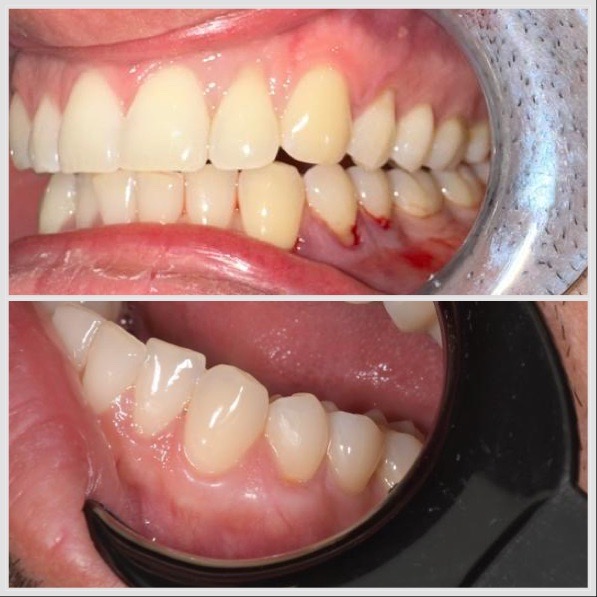
Evolution of periodontal disease — healthy gums, gingivitis, periodontitis
From healthy tissue to periodontitis
Conservative approach
Maximum preservation of dental tissue
Modern equipment
3Shape intra-oral scanner, digital panoramic X-ray, CBCT scanner, dental loupes
Bespoke aesthetics
Fine ceramics, natural and lasting results
Reference practice
Patients throughout the Yvelines

Section 1

Why are gums so important?

The gums form the foundation that holds the teeth in place. When healthy, they protect the bone and dental roots.

When they become diseased, various symptoms may appear:

  • bleeding gums
  • redness
  • swelling
  • persistent bad breath
  • root sensitivity
  • teeth appearing longer
  • loose teeth
Evolution of gum disease
1
Healthy gums

Pale pink, firm, does not bleed when brushing.

2
Gingivitis

Red, swollen gums, bleeds when brushing. A reversible stage.

3
Periodontitis

Damage to supporting tissues: bone loss, gum recession, tooth mobility.

Section 2

Gingivitis: the first stage of gum disease

Gingivitis is an inflammation of the gums generally caused by the accumulation of bacterial plaque.

The most common signs are:

  • bleeding when brushing
  • red gums
  • gum swelling
  • bad breath

Section 3

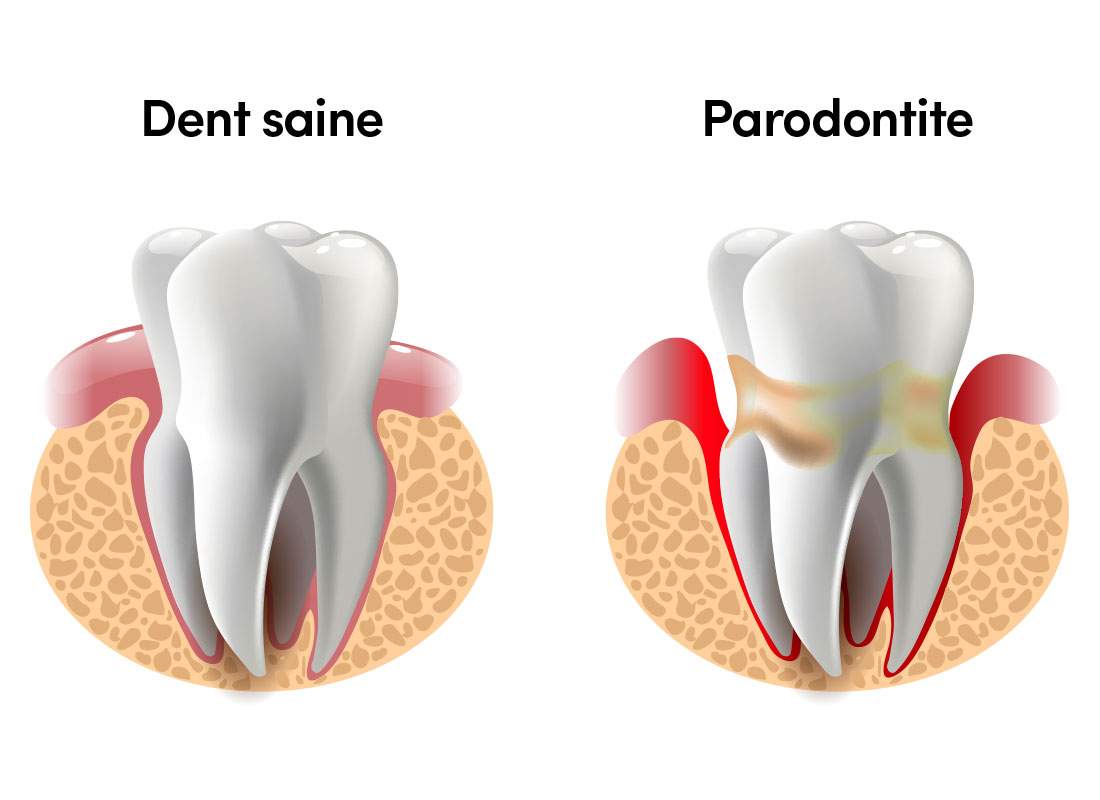
Periodontitis: when gums begin to recede
Gum recession — medical diagram
Gum recession

Periodontitis is a chronic disease that affects the supporting tissues of the teeth. Gradually, bacteria cause the destruction of the bone and tissues that hold the teeth in place.

Consequences may include:

  • gum recession
  • appearance of visible roots
  • spaces between teeth
  • tooth mobility
  • tooth loss

Section 4

Treatment of periodontitis

Treatment generally begins with a non-surgical phase aimed at eliminating bacteria located under the gums.

This stage includes:

  • deep cleaning
  • subgingival scaling
  • root planing
  • disinfection of periodontal pockets

The goal is to reduce inflammation and allow the tissues to heal in the best possible conditions.

In certain situations, additional surgical treatment may be indicated to access deeper areas or rebuild supporting tissues.

Section 5 · Expertise

Gum grafting: correcting recession, protecting roots

Practice expertise

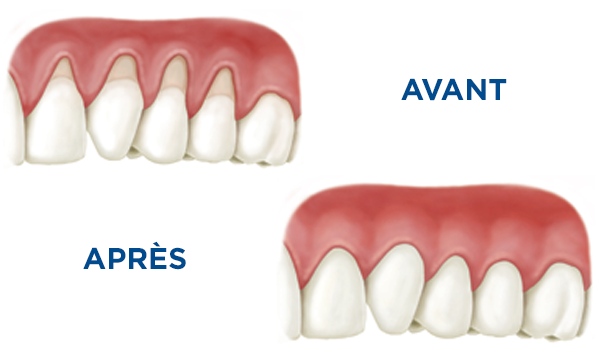
Gum recession corresponds to a progressive retraction of the gum, exposing the tooth root.

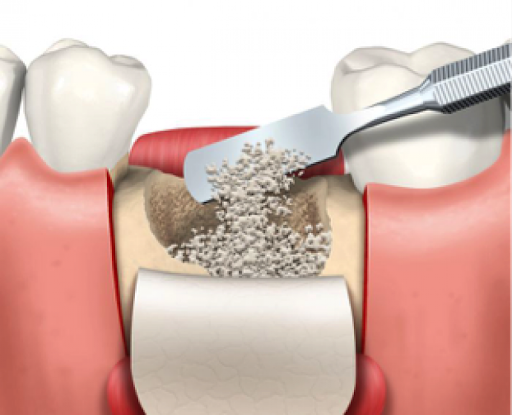
When indicated, gum grafting helps strengthen gum tissues and improve the protection of exposed roots.
Gum grafting — gum recession before treatment
Before gum graft

The consequences of gum recession may include:

  • sensitivity to cold
  • aesthetic discomfort
  • increased risk of root wear
  • difficulty cleaning
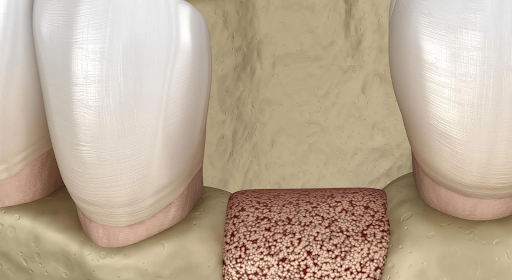
Gum grafting — root coverage
Root coverage
Medical diagram of a gum graft
Principle of grafting

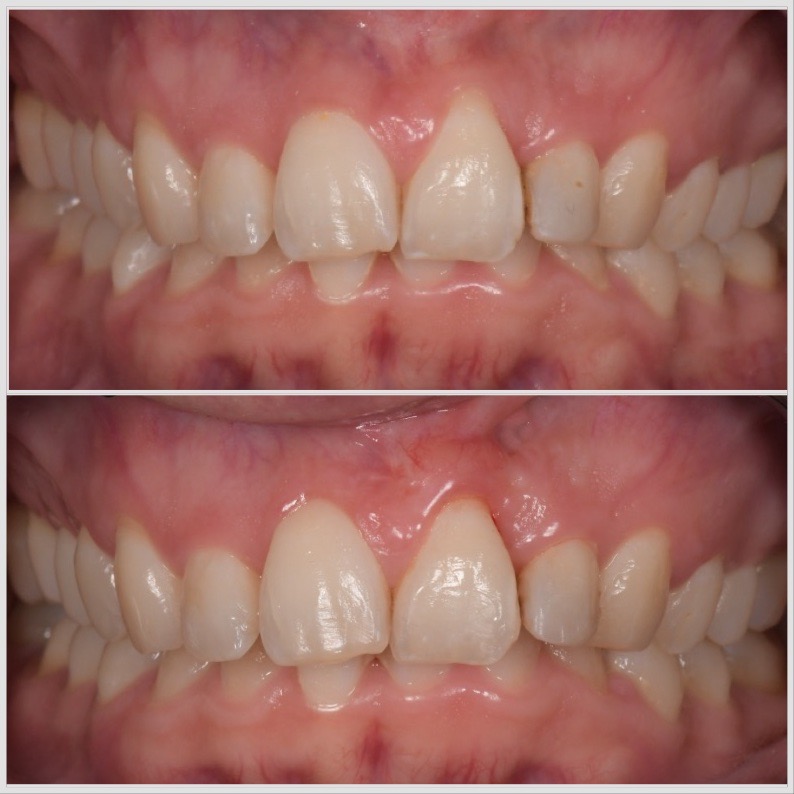
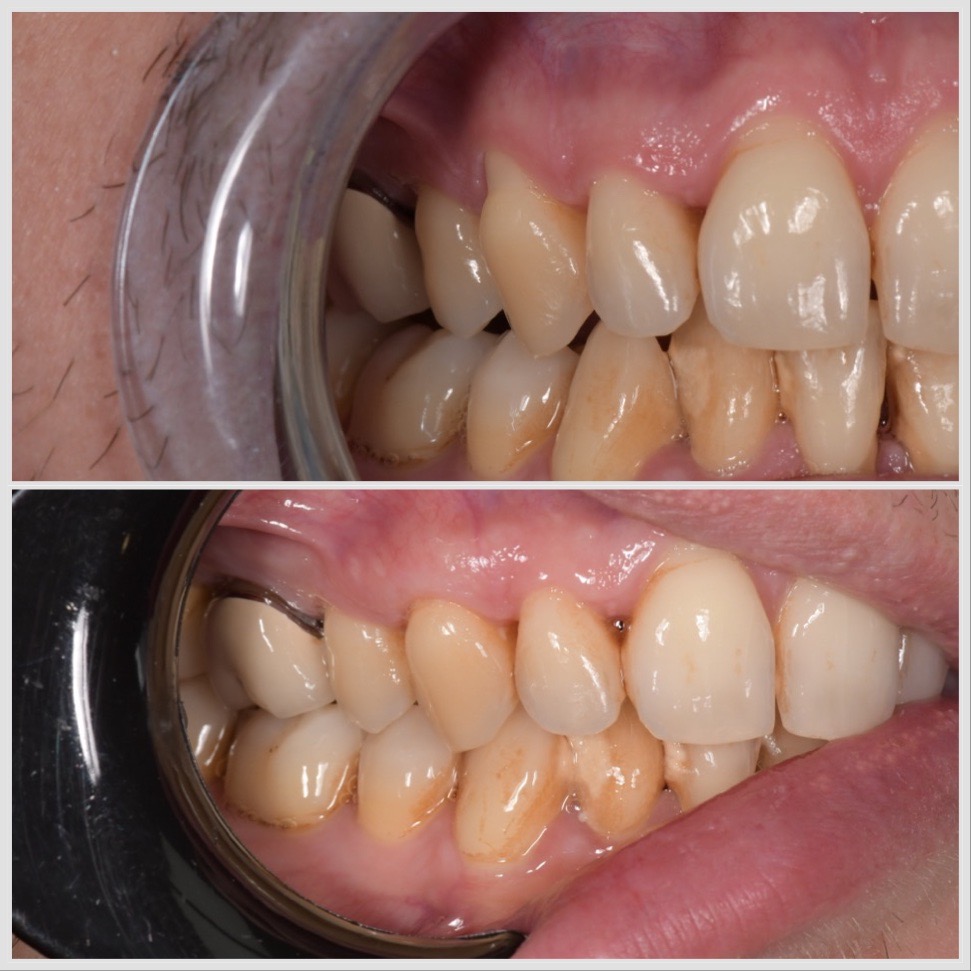
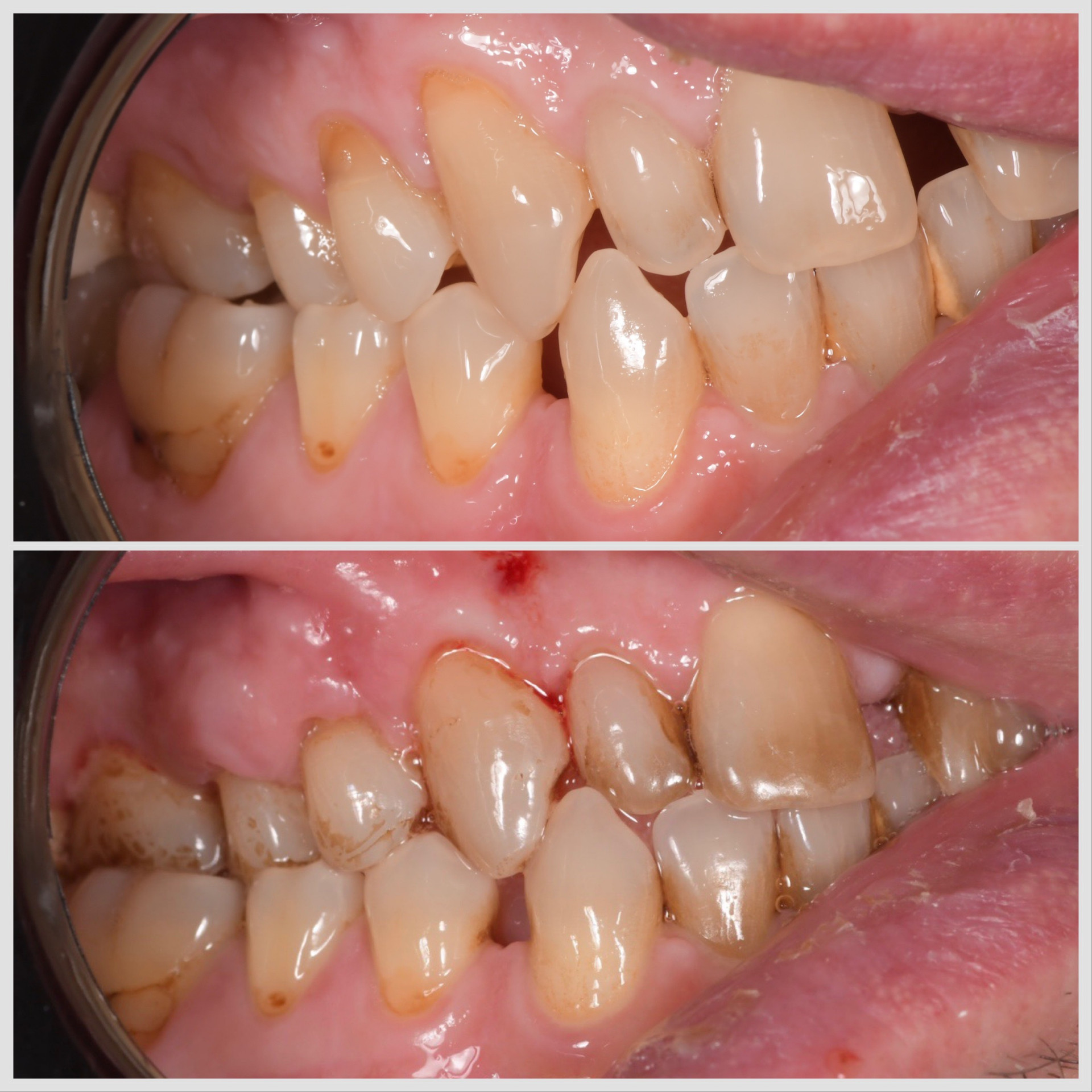
Before / after — gum grafting

Clinical cases of mucogingival surgery performed at the practice — identities anonymized.
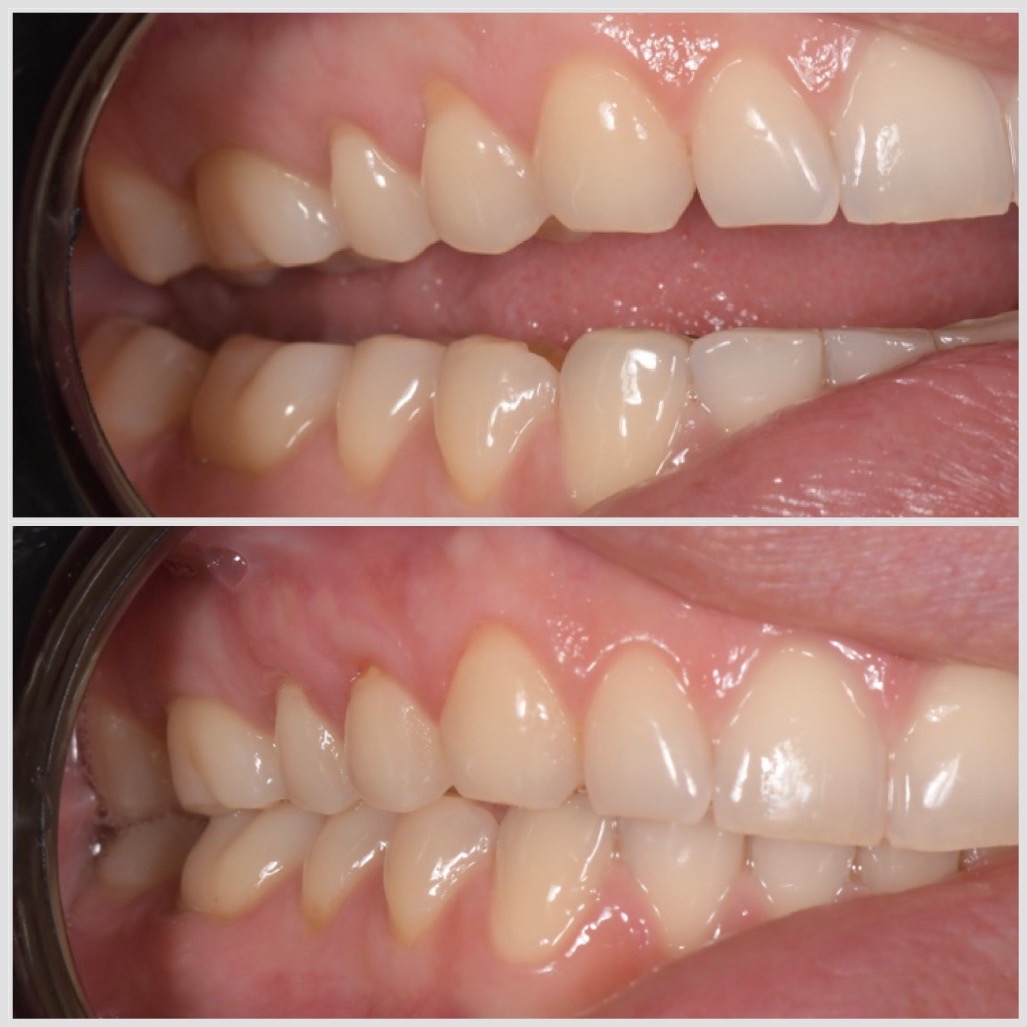
Clinical case · Gum graftBefore / after photo — Greffe de gencive — Cas n°1
Greffe de gencive — Cas n°1
Clinical case · Gum graftBefore / after photo — Greffe de gencive — Cas n°2
Greffe de gencive — Cas n°2
Clinical case · Gum graftBefore / after photo — Greffe de gencive — Cas n°3
Greffe de gencive — Cas n°3
Clinical case · Gum graftBefore / after photo — Greffe de gencive — Cas n°4
Greffe de gencive — Cas n°4
Clinical case · Gum graftBefore / after photo — Greffe de gencive — Cas n°5
Greffe de gencive — Cas n°5

Photographs taken at the practice. Patient identities anonymised in accordance with medical confidentiality.

Section 6

Modern periodontics

The practice combines a rigorous medical approach with modern diagnostic tools to accurately monitor the evolution of each patient's periodontal health.

3D CBCT Scanner

Precise bone evaluation

Clinical photography

Objective visual tracking

Periodontal assessment

Probing and pocket mapping

Personalized follow-up

Periodontal maintenance

Section 7

Why consult Dr Gary Murciano?

The treatment of gum diseases requires a comprehensive approach. The goal is not only to treat symptoms but also to identify the causes and implement a long-term maintenance strategy.

Each patient benefits from a personalized treatment plan aimed at durably preserving their natural teeth and the health of their gums.

Frequently Asked Questions — Periodontics & gums

Bleeding gums when brushing are most often a sign of gum inflammation (gingivitis), generally linked to an accumulation of bacterial plaque. This sign should not be trivialized: a consultation at the practice helps identify the cause and implement appropriate treatment.

Gum recession is often linked to periodontitis. Management involves a precise diagnosis, deep cleaning under the gums (root planing), improving hygiene techniques, and regular follow-ups at the practice. The earlier the management, the better the stabilization.

Gums do not grow back spontaneously after recession. In certain situations, a gum graft may be indicated to strengthen the tissues, protect the exposed root, and improve comfort.

Gum grafting is a mucogingival surgical procedure that helps strengthen or cover an area of gum that is too thin or receded. It aims to protect exposed roots, improve comfort, and stabilize the gum tissue.

A visible root corresponds to gum recession: the gum has progressively retracted, exposing the root. The causes can be multiple (traumatic brushing, periodontitis, tooth position, thin gum tissue). A periodontal assessment helps identify the origin and propose the most appropriate management.

In many cases, yes. Tooth mobility is often linked to a loss of bone support due to periodontitis. Early periodontal care often helps stabilize the situation and preserve natural teeth.

Periodontitis is a chronic disease that can lead to tooth loss if left untreated. Diagnosed and managed in time, it can generally be stabilized through periodontal treatment and regular follow-ups.

Yes. Gingivitis, the first stage of gum disease, is reversible when treated in time: scaling, improved hygiene, and follow-up are generally enough to resolve the inflammation.

Root planing is a deep cleaning of the roots under the gum, performed under local anesthesia. The goal is to remove tartar and bacteria lodged in the periodontal pockets to reduce inflammation and allow the tissues to heal.

Persistent bad breath can be linked to gum disease (gingivitis or periodontitis). Bacteria lodged in periodontal pockets produce compounds responsible for halitosis. A periodontal assessment at the practice helps identify the cause.

Gentle brushing twice a day with a soft-bristled brush, daily use of dental floss or interdental brushes, and regular visits to the practice for scaling and periodontal check-ups are the best allies for your gums.

It is recommended to consult for any gums that bleed, recede, become sensitive, or in cases of a loose tooth, persistent bad breath, or visible root. Dr Gary Murciano's practice in Le Chesnay welcomes patients from Versailles, Parly 2, Rocquencourt, Viroflay, La Celle-Saint-Cloud, and throughout Yvelines for a personalized periodontal assessment.

Book on Doctolib